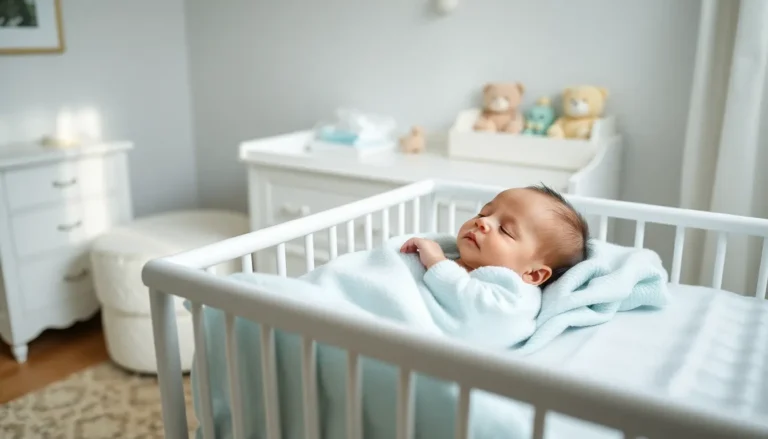
Every new parent knows the joy of welcoming a tiny human into the world, but when do those squishy little bundles of joy stop being newborns? It’s a question that’s puzzled many sleep-deprived moms and dads, often while trying to decipher the difference between a “newborn” and a “baby.” Spoiler alert: it’s not just about the cuteness factor or the number of diaper changes.
Table of Contents
ToggleUnderstanding Newborns
Newborns represent a unique stage in infant development. This stage typically lasts from birth until around two months of age.
Definition of Newborn Stage
The newborn stage encompasses the first 28 days of life, according to the World Health Organization. Infants in this period undergo significant physiological changes that prepare them for the outside world. Many parents feel this stage is defined by the ongoing need for feeding and frequent sleep. During these early days, newborns exhibit specific developmental milestones that indicate their physical and emotional growth.
Characteristics of Newborns
Newborns display unique characteristics critical for understanding their needs. They often weigh between five and ten pounds, with a height of about 18 to 22 inches. Skin may appear wrinkled or covered with vernix, giving them a distinct appearance. Reflexes such as grasping and rooting are strong during this stage, helping with feeding. Communication involves crying, which signals various needs such as hunger or discomfort. These traits contribute to the overall picture of a newborn’s health and development.
Milestones in Development
The transition from newborn to infant includes several critical developmental milestones. Development during this stage plays a vital role in shaping a child’s future capabilities.
Physical Growth
Physical growth during the newborn phase occurs rapidly. Infants typically gain about 5 to 7 ounces weekly for the first few months. By the end of two months, many newborns double their birth weight. Height also increases significantly, averaging around 1 to 2 inches each month in the early weeks. Head circumference changes noticeably, indicating brain growth. Strength in muscles and coordination strengthens, allowing infants to lift their heads and move their limbs effectively. Parents monitor these changes closely, as they reflect overall health and development.
Cognitive and Sensory Development
Cognitive and sensory development starts soon after birth. Newborns recognize familiar voices, especially their mother’s, within days. Vision improves drastically, with infants focusing on objects 8 to 12 inches away. They begin tracking moving items by around 2 months of age. Responses to sounds and stimuli develop through varied reflexes. Infants learn to differentiate between various sounds, including voices and environmental noises. This sensory engagement fosters learning, laying a foundation for future cognitive skills. Each milestone marks progress, demonstrating how newborns transition into more aware and interactive infants.
Transition from Newborn to Infant
The transition from newborn to infant occurs during crucial development stages. Typically, this phase spans from birth to about two months.
Key Age Range
Newborns generally remain in this category for the first 28 days. Experts agree that the shift begins around two months. During this period, infants experience rapid growth and noticeable changes in their behavior. By two months, most infants demonstrate increased alertness and interaction with their environment.
Signs of Transition
Several signs indicate the transition from newborn to infant. Increased alertness marks this stage where infants start engaging more with the world. Social smiles often emerge, reflecting growing emotional development. Recognition of familiar voices also occurs around this time, along with improved visual tracking skills. Parents may notice that infants begin to react to sounds differently, showcasing cognitive growth. Together, these signs highlight that the infant phase brings a shift towards greater awareness and interaction.
Influencing Factors
Several factors influence when a baby stops being considered a newborn. These factors include health considerations and environmental impacts.
Health Considerations
Health plays a crucial role in determining the transition from newborn to infant. Pediatricians typically evaluate physical growth, development milestones, and overall well-being. Infants often reach substantial weight gain, averaging 5 to 7 ounces weekly. Parents note developmental progress when babies begin gaining head control and developing stronger reflexes. Additionally, cognitive milestones include recognizing familiar voices shortly after birth, aligning with overall health assessments. When monitoring health, practitioners emphasize importance of regular check-ups to ensure appropriate growth and address any concerns.
Environmental Impacts
The surrounding environment significantly affects a baby’s development. Exposure to varied stimuli contributes to cognitive and sensory growth. Engaging with different sounds, sights, and social interactions encourages the acquisition of skills. Infants benefit from stimulating environments that promote exploration and learning. Parents can enhance stimulation through activities like talking, reading, and gentle play. Safe, nurturing spaces foster emotional development, allowing babies to express themselves freely. Overall, a supportive environment aids in the transition to the infant stage, emphasizing both growth and security.
Understanding when babies stop being newborns helps parents navigate this crucial stage of development. Recognizing the signs of transition can enhance their ability to support their child’s growth. As infants move beyond the newborn phase, they become more interactive and aware of their surroundings. This period is not just about physical changes but also encompasses emotional and cognitive development.
By fostering a nurturing environment and engaging with their baby, parents can encourage healthy growth. Monitoring developmental milestones and maintaining regular pediatric check-ups ensures that infants thrive during this important transition. Embracing these changes allows families to enjoy the journey of early childhood together.