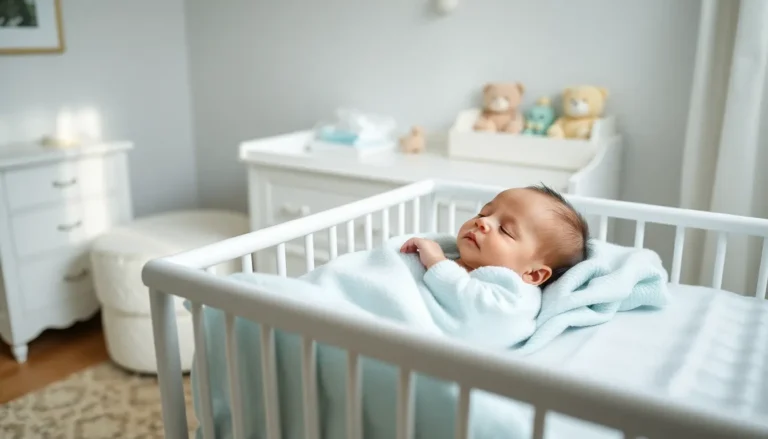
When it comes to the world of newborns, there’s a common belief that all babies arrive in this world with bright blue eyes. As enchanting as this notion might be, let’s face it, it’s a little too good to be true. Just like that old wives’ tale about babies being delivered by storks, the truth about eye color is more complex and fascinating than you might think. So grab a cup of coffee and settle in: we’re about to explore the science behind those tiny peepers.
The Science Behind Eye Color in Newborns

What Determines Eye Color?
Eye color is determined by several factors, primarily genetics and the amount of melanin in the iris. Melanin is the pigment responsible for the coloring of skin, hair, and eyes. In essence, more melanin typically leads to darker eyes, while less melanin results in lighter shades.
Role of Genetics in Eye Color
When it comes to genetics, eye color is influenced by multiple genes rather than a single one. The two primary players are the OCA2 and HERC2 genes, which can either increase or decrease melanin production. The unpredictable nature of genetic combinations means that even the most diligent family historian may not be able to foresee what color a newborn’s eyes will turn out to be.
The Influence of Melanin
Melanin levels in a newborn’s body are often relatively low at birth. It’s why many babies, regardless of their ethnic backgrounds, appear to have those cute, bright blue eyes at first. As they grow, exposure to light and genetic factors kick in, increasing melanin production. This can cause eye colors to darken over time, leading to the beautiful, complex palette of hues that adults possess.
Can Newborns’ Eye Color Change?
What to Expect in the First Few Months
Many parents are astounded when they discover that their precious baby’s eye color may change after just a few weeks or months. During the first six months, it’s common for a newborn’s eye color to go through significant shifts. Initially blue or gray, these little orbs may turn green, hazel, brown, or even stay blue if genetics are on the side of that hue. Parents often find themselves anxiously googling whether their child’s eye color is ‘normal’, don’t worry, it is. Eye color transitions are an ordinary part of a growing baby.
Common Myths About Newborn Eye Color
Cultural Perspectives on Eye Color
There are many myths surrounding newborn eye color, some even tying into cultural beliefs. One myth suggests that a baby’s sex can be predicted by eye color, if they have blue eyes, they’ll be a boy: if brown, a girl. Such ideas add a whimsical touch to the reality of genetics but lack scientific backing. Across cultures, eye color can be seen as a sign of beauty or even a symbol of fortune, but these beliefs can change just as quickly as a baby’s eye color itself.